
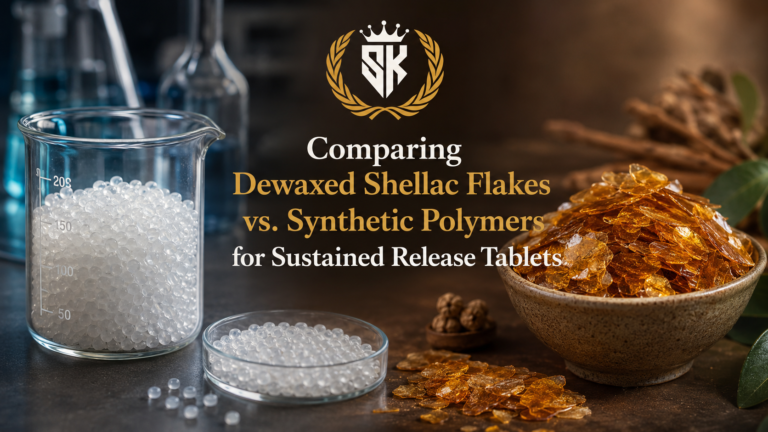
R&D teams in the pharmaceutical sector are constantly balancing tablet performance with clean regulatory paths.When building sustained-release profiles, the goal is simple: control the erosion rate of the tablet matrix so theactive ingredient releases steadily over hours. For years, synthetic...
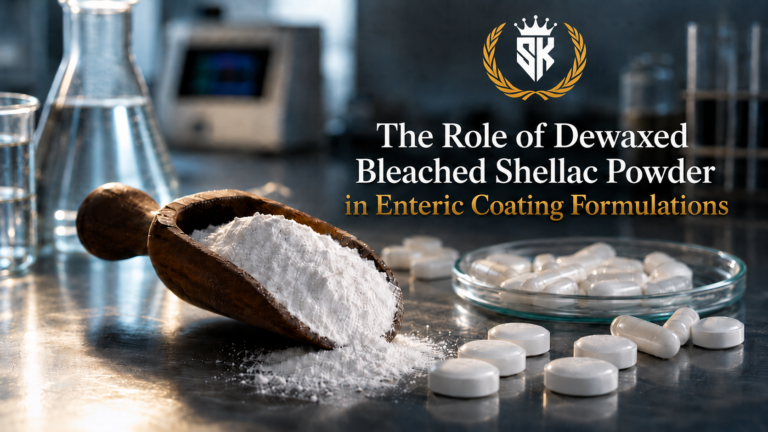
When pharmaceutical formulation teams design enteric-coated solid oral dosages, the primary challenge is alwaystiming. A successful enteric barrier must remain completely intact while traveling through the highly acidic gastricenvironment of the stomach, and then dissolve predictably the moment it...

Shellac in agarbatti industry, natural binder for incense sticks, agarbatti binding agent, Jigat alternative, natural fragrance fixative, improving agarbatti burning time...

Introduction: In our high-tech world dominated by silicon chips, fiber optics, and advanced synthetic polymers, it’s easy to forget the materials that laid the groundwork for the electrical age. Long before modern synthetic plastics like Bakelite or PVC became available, shellac was a premier...

When you think of shellac, you probably think of shiny wood floors, French-polished antique furniture, or perhaps even the glossy coating on your favorite candies. You probably don’t think of the hat sitting on your head. Yet, for centuries, the millinery (hat-making) industry has been one of...
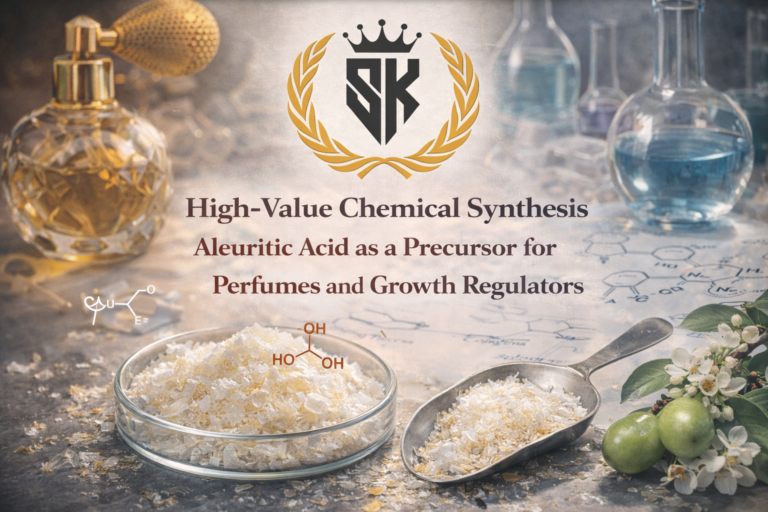
Shellac is famous globally as a natural resin used for coatings, finishes, and binders in industries ranging from food to furniture. But its value extends far beyond its physical properties as a polymer. Hidden within the complex chemical structure of the shellac molecule is a treasure trove for...

When you think of heavy industry, you likely picture sparks flying from a massive grinding wheel smoothing a giant steel casting in a foundry, or the precision polishing of a delicate crankshaft in an automotive plant. In these abrasive processes, the abrasive grains themselves (like aluminum oxide...
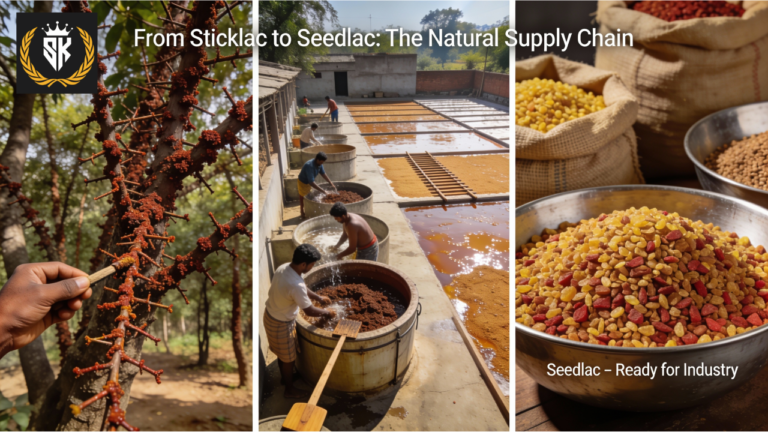
Every single finished shellac product, from the glistening glaze on a jelly bean to the French polish on a priceless antique table, starts its journey in the exact same place: on the branch of a tree in the forests of India or Thailand. Understanding this journey from the raw, natural source to the...
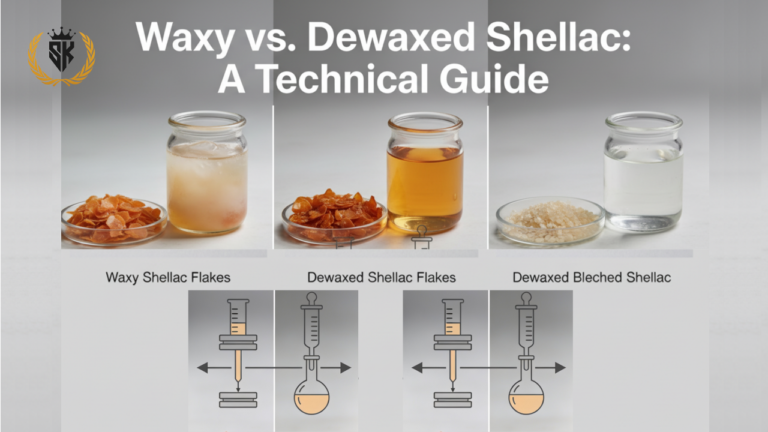
For industrial buyers, formulators, and professional end-users, choosing the right shellac isn’t just about picking a colour from a chart; it’s about understanding the underlying chemistry and how it affects performance. The single most critical technical distinction in the shellac world...